Maharashtra is India's great in-between state — financial capital and sacred pilgrimage town, ancient cave temple and modern wine country, tiger reserve and colonial coastline, often within the same single day's drive.
From Mumbai's Gateway of India and UNESCO railway terminus to the Maratha hill forts that Shivaji built across the Sahyadri range, from the 2,000-year-old rock-cut caves of Ajanta and Ellora to the tiger reserves of Tadoba and Pench — this is a state defined by sheer historical and natural depth.
This is a land where Ganesha temples draw pilgrims along an eight-temple sacred circuit, where Lonavala's hill forts and waterfalls fill every weekend escape from the city, and where the Konkan coast hides some of India's most pristine, least-crowded beaches.
Six reasons Maharashtra will steal your heart — and your itinerary
UNESCO World Heritage rock-cut temples, including the Kailasa Temple — carved top-down from a single basalt hill, the largest monolithic structure on earth.
Sinhagad, Torna, Rajgad, and Raigad — Shivaji Maharaj's network of Sahyadri strongholds, each with its own legend of conquest and sacrifice.
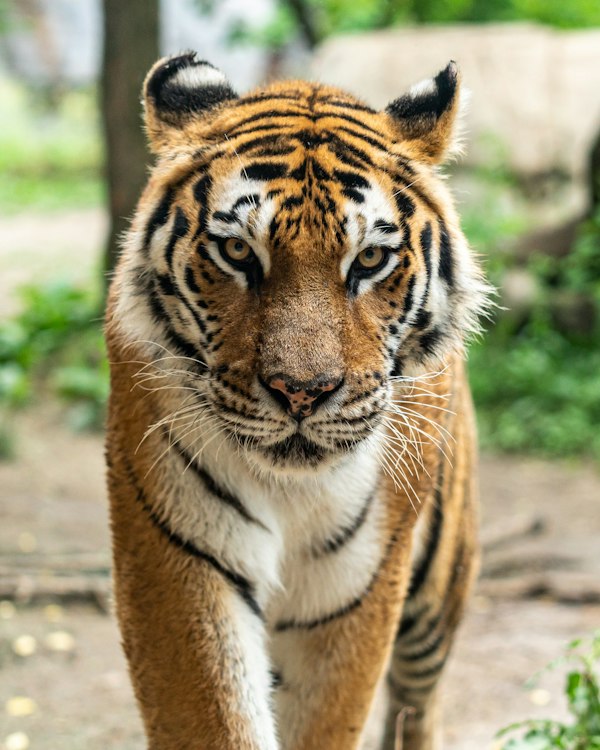
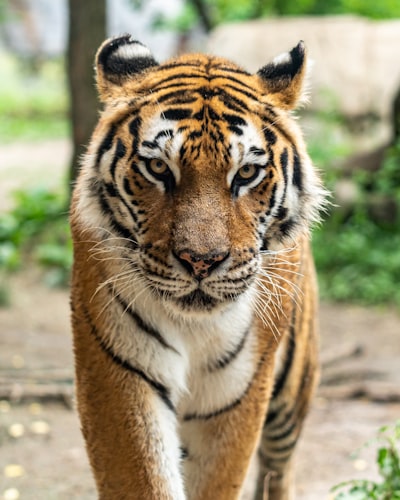
Two of central India's finest tiger reserves — Pench is widely believed to be the real landscape behind Kipling's "The Jungle Book."
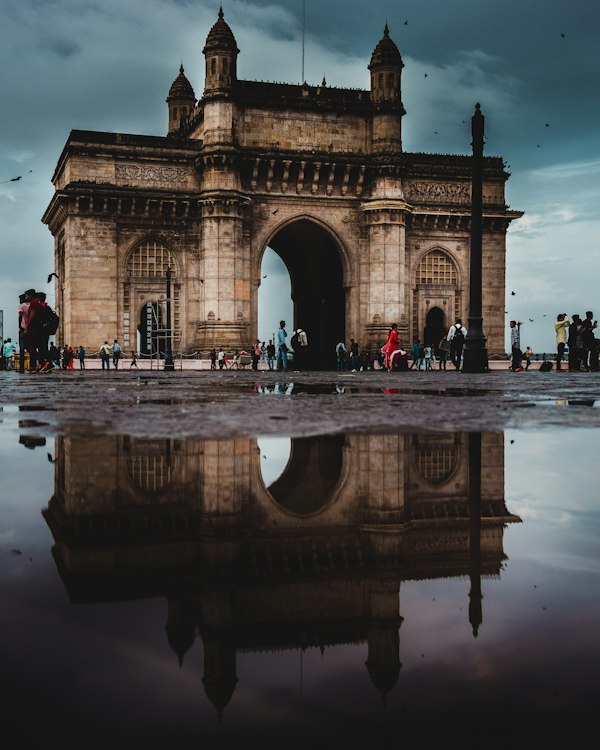
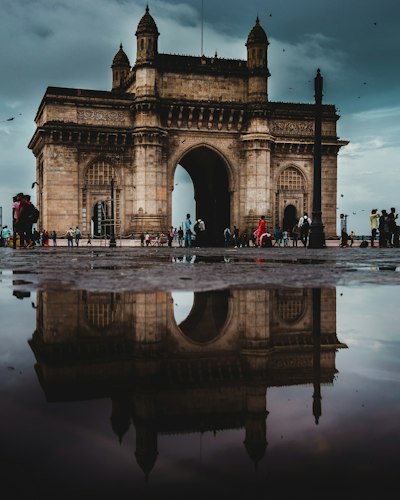
The Gateway of India and the UNESCO-listed Chhatrapati Shivaji Maharaj Terminus — Victorian Gothic architecture still alive with millions of daily commuters.
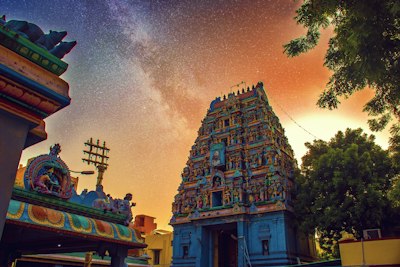
A sacred circuit of eight ancient, self-manifested Ganesha temples scattered across the Pune region — one of Maharashtra's most cherished pilgrimages.
Tarkarli's clear-water diving, Alibaug's tidal sea fort, and Mahabaleshwar's strawberry-covered Western Ghats plateau — Maharashtra's quieter shoreline.
Maharashtra's size means its climate varies considerably between the coast, the Deccan plateau, and the hills.
Comfortable temperatures across the state (18–30°C), clear skies, and the best conditions for fort treks, wildlife safaris, and coastal travel.
Hot on the Deccan plateau (35°C+) but tiger sightings improve as water sources shrink — peak safari season for Tadoba and Pench.
The Western Ghats turn spectacularly green and Lonavala's waterfalls thunder, but heavy rain disrupts fort treks, safaris, and coastal access.
India's financial and entertainment capital, layered with colonial-era Gothic architecture, Bollywood energy, and the Arabian Sea along Marine Drive.
A short ferry or drive connects the city to both the Konkan beaches of Alibaug and the hill station of Lonavala.
The cultural capital of the Maratha Empire, surrounded by the ridge-top forts of Sinhagad, Torna, and Rajgad, with Lonavala's caves and waterfalls a short drive away.
This is also the starting point for the sacred Ashtavinayak Ganesha temple circuit.
The base for two of Asia's greatest rock-cut monuments — Ajanta's 2nd-century-BCE Buddhist murals and Ellora's monolithic Kailasa Temple.
Bibi Ka Maqbara and Daulatabad Fort add further depth to this extraordinarily concentrated heritage region.
Maharashtra's two finest tiger reserves, reached from Nagpur — Tadoba for one of India's highest tiger densities, Pench for its Jungle Book landscape.
A focused multi-day safari circuit here rivals any wildlife destination in central India.