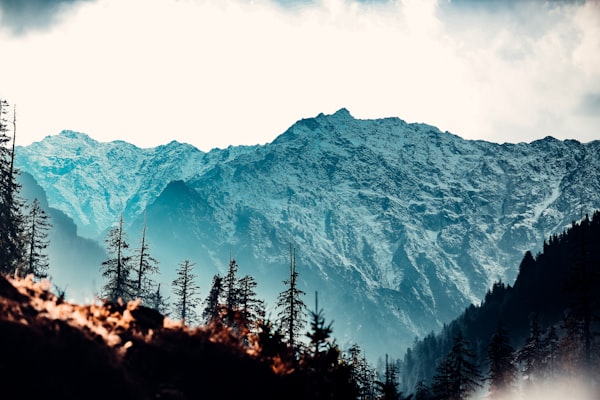
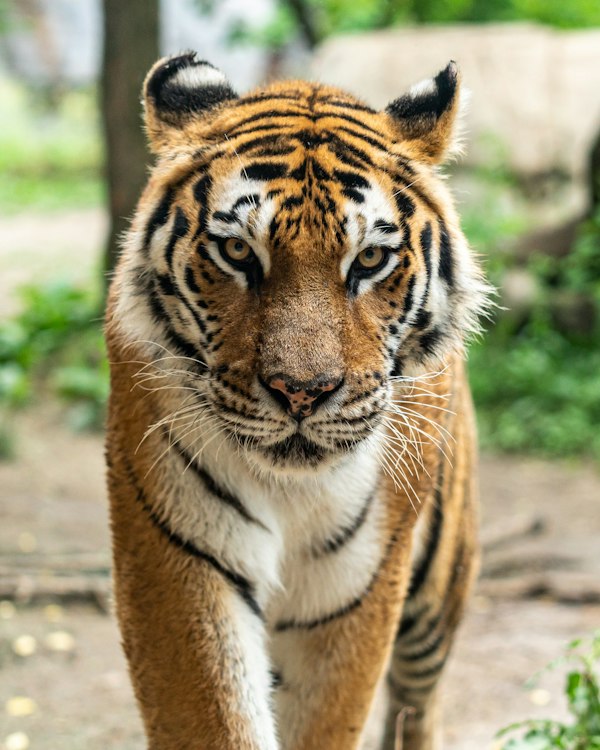
Uttarakhand — Dev Bhoomi, the 'Land of the Gods' — offers an extraordinary range within a single state: the colonial-era lake town of Nainital and the hill station of Mussoorie, Corbett National Park's tiger-rich Sal forests, and Rishikesh's white-water rapids and riverside yoga ashrams.
Deeper into the Garhwal Himalaya lies the Char Dham — Yamunotri, Gangotri, Kedarnath, and Badrinath — four of Hinduism's most sacred pilgrimage shrines, reached by demanding mountain roads and, in Kedarnath's case, a genuine high-altitude trek.
For trekkers, the Valley of Flowers' alpine wildflower meadows and the Nanda Devi Sanctuary's high-altitude wilderness offer some of the Indian Himalaya's most rewarding — and most physically demanding — multi-day routes.
Six reasons Uttarakhand anchors any serious Himalayan itinerary
Four of Hinduism's holiest shrines — Yamunotri, Gangotri, Kedarnath, and Badrinath — deep in the Garhwal Himalaya, undertaken by millions of pilgrims each season.
India's oldest national park, with a healthy tiger population across Sal forest and riverine grassland — the birthplace of Project Tiger.
White-water rafting on the Ganges, riverside yoga ashrams, and the Lakshman Jhula suspension bridge — the self-proclaimed Yoga Capital of the World.
A British-era hill station built around the crescent-shaped Naini Lake, still one of India's most visited lake towns.
A UNESCO World Heritage alpine meadow bursting into extraordinary wildflower bloom each monsoon — one of the Himalaya's most celebrated treks.
The sacred point where the Ganges first meets the plains — Har Ki Pauri's nightly Aarti ceremony is one of North India's most moving rituals.
Uttarakhand's huge elevation range — from Gangetic plains to 4,000m+ Himalayan passes — means the ideal season depends heavily on where you're headed.
The two best windows for both the Char Dham Yatra and high-altitude trekking, once winter snow clears and before monsoon rains begin (or after they end).
Excellent conditions for Nainital, Mussoorie, Corbett, and Rishikesh, with cool, clear weather — though this falls outside the Char Dham shrine season.
Heavy monsoon rain brings real landslide risk to mountain roads, particularly on the Gangotri and Kedarnath routes — high-altitude travel is genuinely riskier in this window.
A British-era hill station built around the crescent-shaped Naini Lake, ringed by forested hills and colonial-era churches and bazaars.
Boating on the lake, the Mall Road promenade, and the Snow View cable car make Nainital one of North India's most enduringly popular hill towns.
Where the Ganges emerges from the Himalaya onto the plains, drawing yoga practitioners, pilgrims, and white-water rafting enthusiasts in equal measure.
The Lakshman Jhula and Ram Jhula suspension bridges, riverside ashrams, and a genuinely serious rafting scene give Rishikesh a rare dual identity — spiritual and adrenaline-fuelled.
Established in 1936 as India's first national park, and the birthplace of Project Tiger — Sal forest, riverine grassland, and a healthy Bengal tiger population.
Jeep safaris across several distinct zones offer some of North India's best wildlife-viewing, alongside elephants, leopards, and over 600 recorded bird species.
The high mountain heartland of Uttarakhand, holding the four sacred Char Dham shrines and some of the Himalaya's most rewarding trekking routes.
Kedarnath's 16km trek to 3,583m, the Valley of Flowers' wildflower meadows, and Badrinath's Vishnu shrine make this genuinely serious Himalayan pilgrimage-and-trekking territory.